Sudan Agricultural Research greenhouse project for wheat production in arid area
DETAIL
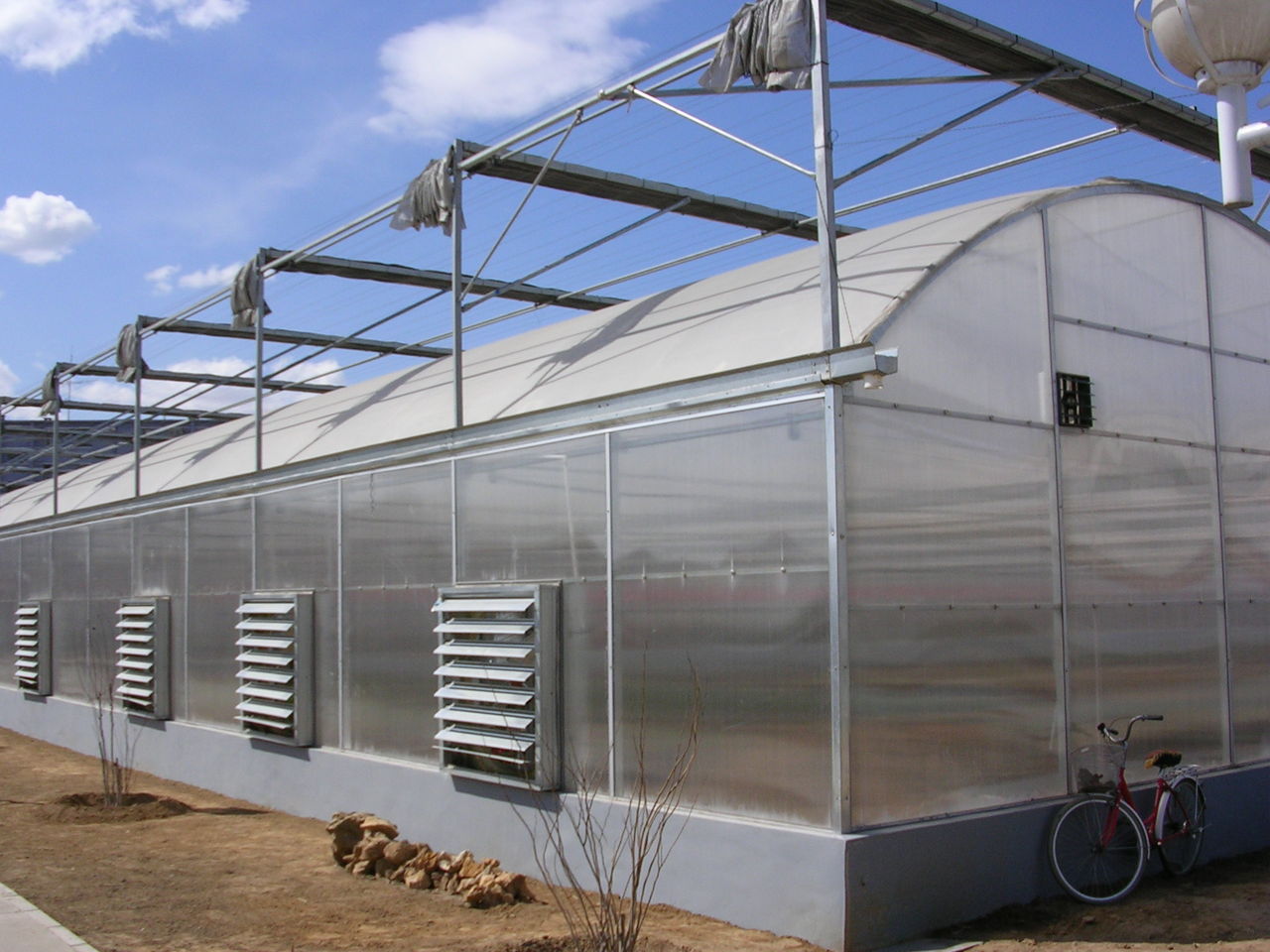
This Sudan agricultural research greenhouse project features a custom greenhouse designed to support controlled wheat production in an arid environment. The project responded to the need for a stable cultivation platform in one of the world’s driest regions, where temperature extremes, limited water resources, and intense solar radiation challenge traditional field cultivation. By integrating advanced structural design and climate regulation systems, the greenhouse enabled reliable wheat growth under controlled environmental conditions.
The research initiative aimed to improve yields, assess irrigation strategies, and study wheat varieties suited for arid climates. Unlike open-field trials, the greenhouse created uniform conditions for temperature monitoring, water use efficiency measurement, and repeatable experimental outcomes. The greenhouse structure also allowed strict control over air movement, humidity levels, and soil moisture, which are critical factors for successful wheat development in arid areas.
To meet demanding climate conditions, the greenhouse design focused on durability, high light transmission, and thermal stability. The structural frame was engineered with corrosion-resistant steel, supporting an extended spanning system to accommodate large wheat plots. Roof and sidewall angles were adjusted to maximize sunlight capture during the wheat’s vegetative growth period while reducing heat buildup during peak radiation hours.
Polycarbonate panels were selected as the primary covering material due to their strong impact resistance, long-term UV stability, and ability to diffuse incoming light. Diffused light distribution ensured even radiation across the wheat canopy, reducing localized hotspots and supporting uniform plant growth. Additionally, insulation was integrated at strategic points to moderate internal temperature swings between day and night.
Although the installation was intended for research purposes, the structural principles applied mirror those found in advanced garden greenhouse systems designed for precision and resilience. The design enhanced structural integrity and created a controlled cultivation space that would withstand Sudan’s climate challenges.
Operational Setup and Installation Process
Installation of the greenhouse system followed a structured timeline, combining site preparation, frame assembly, environmental equipment integration, and calibration. Soil beds were leveled and prepared to support wheat plots in uniform rows. Utilities, including power and water supply lines, were routed to support climate control systems, monitoring instruments, and irrigation infrastructure.
Assembly of the greenhouse structure was coordinated to maintain alignment precision and ensure secure covering material installation. Once the framework and environmental systems were in place, calibration tests confirmed operational stability before wheat planting commenced.
Training was provided to local personnel on system operation, routine maintenance, and troubleshooting procedures. This ensured that research staff could manage greenhouse conditions and focus on experimental protocols rather than equipment issues.
The Sudan agricultural research greenhouse for wheat production represents a successful implementation of controlled environment agriculture in an arid region. By reducing reliance on unpredictable external weather and enabling repeatable experimental conditions, the facility enhanced the research capacity of agricultural scientists focused on food security and crop adaptation.
If you are planning a custom greenhouse or looking for greenhouse systems engineered for challenging climates, our team can provide tailored solutions. Contact us to discuss how we can support your greenhouse project with professional design, engineering, and installation services.
The research initiative aimed to improve yields, assess irrigation strategies, and study wheat varieties suited for arid climates. Unlike open-field trials, the greenhouse created uniform conditions for temperature monitoring, water use efficiency measurement, and repeatable experimental outcomes. The greenhouse structure also allowed strict control over air movement, humidity levels, and soil moisture, which are critical factors for successful wheat development in arid areas.
Project Background and Purpose
Sudan’s agricultural sector faces constraints from prolonged dry seasons and irregular rainfall. Wheat, a staple crop essential for food security, is particularly vulnerable to water stress and extreme heat during key growth stages. The Sudan Agricultural Research Corporation (SARC) identified the need for a research facility that could support year-round wheat trials, improve understanding of cultivar performance, and optimize irrigation protocols.
The greenhouse initiative was conceived to provide a protected environment where researchers could systematically evaluate wheat growth variables. The agricultural community’s goal was to establish a reference facility that could later inform broader cultivation practices, including how to adapt wheat production strategies to harsh climates. To achieve this, the greenhouse would need precise environmental control capabilities not achievable in open-field settings.
Structural Design and Material Selection
To meet demanding climate conditions, the greenhouse design focused on durability, high light transmission, and thermal stability. The structural frame was engineered with corrosion-resistant steel, supporting an extended spanning system to accommodate large wheat plots. Roof and sidewall angles were adjusted to maximize sunlight capture during the wheat’s vegetative growth period while reducing heat buildup during peak radiation hours.
Polycarbonate panels were selected as the primary covering material due to their strong impact resistance, long-term UV stability, and ability to diffuse incoming light. Diffused light distribution ensured even radiation across the wheat canopy, reducing localized hotspots and supporting uniform plant growth. Additionally, insulation was integrated at strategic points to moderate internal temperature swings between day and night.
Although the installation was intended for research purposes, the structural principles applied mirror those found in advanced garden greenhouse systems designed for precision and resilience. The design enhanced structural integrity and created a controlled cultivation space that would withstand Sudan’s climate challenges.
Operational Setup and Installation Process
Installation of the greenhouse system followed a structured timeline, combining site preparation, frame assembly, environmental equipment integration, and calibration. Soil beds were leveled and prepared to support wheat plots in uniform rows. Utilities, including power and water supply lines, were routed to support climate control systems, monitoring instruments, and irrigation infrastructure.
Assembly of the greenhouse structure was coordinated to maintain alignment precision and ensure secure covering material installation. Once the framework and environmental systems were in place, calibration tests confirmed operational stability before wheat planting commenced.
Training was provided to local personnel on system operation, routine maintenance, and troubleshooting procedures. This ensured that research staff could manage greenhouse conditions and focus on experimental protocols rather than equipment issues.
The Sudan agricultural research greenhouse for wheat production represents a successful implementation of controlled environment agriculture in an arid region. By reducing reliance on unpredictable external weather and enabling repeatable experimental conditions, the facility enhanced the research capacity of agricultural scientists focused on food security and crop adaptation.
If you are planning a custom greenhouse or looking for greenhouse systems engineered for challenging climates, our team can provide tailored solutions. Contact us to discuss how we can support your greenhouse project with professional design, engineering, and installation services.


