
Greenhouse Heating System
INQUIRY
Description
Greenhouse heating systems are generally divided into hydronic boiler heating system, electric fan and ground source heat pump heating.
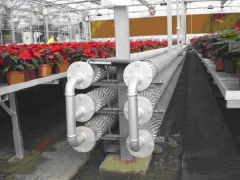
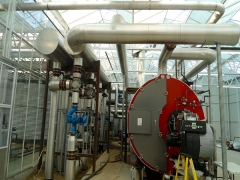
Hydronic boiler heating is more balanced, after the boiler stop heating, the hot water retained in the heating pipe can continue to heat to the greenhouse. The temperature in the greenhouse will not dramatic change. It is a commonly used heating method.
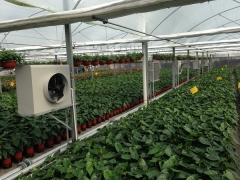
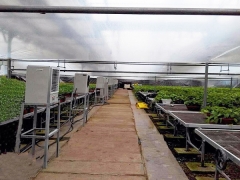
Electric heating machine is heating the heater to heat the greenhouse.
The ground source heat pump is a device that use the heat from the shallow layer of the earth, provide heating and refrigerant for the buildings. It has drawn great attention around the world for apparently saving energy and meeting environmental protection requirement.
Product Advantages
Structural and Modular Design for Diverse Greenhouse Configurations
The system’s modular architecture allows customized heating solutions adaptable to various greenhouse sizes, including small garden greenhouse setups and large-scale custom build greenhouses. Its integration with Sunmax Greenhouse components reflects a design focus on interoperability, permitting stepwise upgrades incorporating hydronic, electric, or geothermal heating technologies. This structural versatility supports greenhouse manufacturing companies in optimizing spatial layouts and simplifies maintenance due to standardized modules and streamlined piping or electrical conduits.
Optimized Thermal Efficiency and Operational Control
Performance-wise, the Greenhouse Heating System delivers precise temperature control, reducing energy waste through responsive regulation and thermal inertia offered by hydronic boilers. Electric heating provides rapid temperature adjustments during peak demand, while the ground source heat pump reduces operational costs by tapping into renewable earth energy. This combination enhances usability for operators managing climate cycles and ensures sustained crop health. The system’s compatibility with automated greenhouse climate controllers expedites commissioning and day-to-day management, providing measurable ROI benefits for greenhouse manufacturing companies.
Use Scenarios
Energy Efficiency Assessment in Commercial Greenhouse Contexts
In commercial greenhouse operations, energy costs and climate stability are paramount. This system operates within controlled agricultural environments, where maintaining optimal temperature profiles directly influences crop yield quality. It serves as a heating backbone, balancing energy inputs among hydronic and electric heated zones while leveraging the ground source heat pump to lower overall consumption. This layered heating approach complies with energy efficiency standards, providing greenhouse manufacturing companies clear data on seasonal energy savings and facilitating integration into existing supervisory control systems for dynamic climate adjustment.
Integration with Climate Management Systems for Commercial Greenhouses
During seasonal climate management, this solution integrates effectively with advanced greenhouse temperature control equipment to prevent temperature swings that could stress crops. It supports commissioning and testing sequences crucial during startup and shutdown phases in colder periods, ensuring uninterrupted thermal regulation. The system’s flexible design meets operational demands in both mid-size and larger garden greenhouse environments operated by greenhouse manufacturing companies, allowing real-time heat distribution monitoring and uniformity assessment. Its adaptability optimizes workflow within integrated greenhouse production systems, enhancing overall operational resilience.
Founded in 2002, this greenhouse engineering firm specializes in the design, manufacture, and installation of commercial-grade greenhouse structures and climate control systems. Leveraging extensive experience in advanced construction techniques, it delivers multi-span and energy-efficient solutions tailored to varied agricultural and horticultural environments.
Serving clients worldwide, the company focuses on providing complete project services—from structural skeleton fabrication to integrated temperature regulation equipment. With dedicated technical support and cultivation guidance, it upholds rigorous quality standards and operational reliability in demanding greenhouse applications.
Consult our experts for your next project!
What heating methods does the Greenhouse Heating System offer?
The Greenhouse Heating System incorporates three main heating technologies: hydronic boiler heating, which maintains stable warmth via hot water pipes; electric heating, utilizing electric heaters for direct heat; and ground source heat pump heating, which harnesses earth energy to increase efficiency. These options ensure versatile greenhouse climate control for commercial use.
Can this heating system be customized for different greenhouse sizes?
While specific customization details are not listed on the product page, the system is designed to integrate with a range of greenhouse temperature control setups. B-end customers can inquire directly to discuss tailored configurations that suit various commercial greenhouse dimensions and operational requirements.
How is the Greenhouse Heating System installed and integrated?
Installation involves connecting the heating components—hydronic boilers, electric heaters, or ground source heat pumps—to existing greenhouse climate control infrastructure. Professional commissioning ensures uniform heat distribution and stable temperature management, supporting commercial greenhouse environments, especially in colder conditions.
What ongoing maintenance is required for the heating system components?
Regular inspections and servicing of boiler units, pumps, and electric heaters are recommended to maintain performance and reliability. Ground source heat pump components also require periodic system checks. Maintenance protocols should align with the system’s operational demands to assure consistent climate control and longevity.
Hydronic boiler heating is more balanced, after the boiler stop heating, the hot water retained in the heating pipe can continue to heat to the greenhouse. The temperature in the greenhouse will not dramatic change. It is a commonly used heating method.
Electric heating machine is heating the heater to heat the greenhouse.
The ground source heat pump is a device that use the heat from the shallow layer of the earth, provide heating and refrigerant for the buildings. It has drawn great attention around the world for apparently saving energy and meeting environmental protection requirement.
Product Advantages
Structural and Modular Design for Diverse Greenhouse Configurations
The system’s modular architecture allows customized heating solutions adaptable to various greenhouse sizes, including small garden greenhouse setups and large-scale custom build greenhouses. Its integration with Sunmax Greenhouse components reflects a design focus on interoperability, permitting stepwise upgrades incorporating hydronic, electric, or geothermal heating technologies. This structural versatility supports greenhouse manufacturing companies in optimizing spatial layouts and simplifies maintenance due to standardized modules and streamlined piping or electrical conduits.
Optimized Thermal Efficiency and Operational Control
Performance-wise, the Greenhouse Heating System delivers precise temperature control, reducing energy waste through responsive regulation and thermal inertia offered by hydronic boilers. Electric heating provides rapid temperature adjustments during peak demand, while the ground source heat pump reduces operational costs by tapping into renewable earth energy. This combination enhances usability for operators managing climate cycles and ensures sustained crop health. The system’s compatibility with automated greenhouse climate controllers expedites commissioning and day-to-day management, providing measurable ROI benefits for greenhouse manufacturing companies.
Use Scenarios
Energy Efficiency Assessment in Commercial Greenhouse Contexts
In commercial greenhouse operations, energy costs and climate stability are paramount. This system operates within controlled agricultural environments, where maintaining optimal temperature profiles directly influences crop yield quality. It serves as a heating backbone, balancing energy inputs among hydronic and electric heated zones while leveraging the ground source heat pump to lower overall consumption. This layered heating approach complies with energy efficiency standards, providing greenhouse manufacturing companies clear data on seasonal energy savings and facilitating integration into existing supervisory control systems for dynamic climate adjustment.
Integration with Climate Management Systems for Commercial Greenhouses
During seasonal climate management, this solution integrates effectively with advanced greenhouse temperature control equipment to prevent temperature swings that could stress crops. It supports commissioning and testing sequences crucial during startup and shutdown phases in colder periods, ensuring uninterrupted thermal regulation. The system’s flexible design meets operational demands in both mid-size and larger garden greenhouse environments operated by greenhouse manufacturing companies, allowing real-time heat distribution monitoring and uniformity assessment. Its adaptability optimizes workflow within integrated greenhouse production systems, enhancing overall operational resilience.
About Us
Founded in 2002, this greenhouse engineering firm specializes in the design, manufacture, and installation of commercial-grade greenhouse structures and climate control systems. Leveraging extensive experience in advanced construction techniques, it delivers multi-span and energy-efficient solutions tailored to varied agricultural and horticultural environments.
Serving clients worldwide, the company focuses on providing complete project services—from structural skeleton fabrication to integrated temperature regulation equipment. With dedicated technical support and cultivation guidance, it upholds rigorous quality standards and operational reliability in demanding greenhouse applications.
Consult our experts for your next project!
FAQ
What heating methods does the Greenhouse Heating System offer?
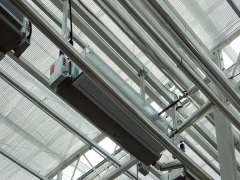
The Greenhouse Heating System incorporates three main heating technologies: hydronic boiler heating, which maintains stable warmth via hot water pipes; electric heating, utilizing electric heaters for direct heat; and ground source heat pump heating, which harnesses earth energy to increase efficiency. These options ensure versatile greenhouse climate control for commercial use.
Can this heating system be customized for different greenhouse sizes?
While specific customization details are not listed on the product page, the system is designed to integrate with a range of greenhouse temperature control setups. B-end customers can inquire directly to discuss tailored configurations that suit various commercial greenhouse dimensions and operational requirements.
How is the Greenhouse Heating System installed and integrated?
Installation involves connecting the heating components—hydronic boilers, electric heaters, or ground source heat pumps—to existing greenhouse climate control infrastructure. Professional commissioning ensures uniform heat distribution and stable temperature management, supporting commercial greenhouse environments, especially in colder conditions.
What ongoing maintenance is required for the heating system components?
Regular inspections and servicing of boiler units, pumps, and electric heaters are recommended to maintain performance and reliability. Ground source heat pump components also require periodic system checks. Maintenance protocols should align with the system’s operational demands to assure consistent climate control and longevity.


